

The Evolution of Windows
The Evolution of Windows
The evolution of windows is a fascinating story that spans thousands of years, with historic architecture playing a significant role in shaping modern window design. From ancient civilizations to modern times, windows have undergone a significant transformation, influenced by various architectural styles, technological advancements, and environmental concerns. What can we learn from the history of windows, and how has it impacted our understanding of energy efficiency and aesthetic appeal?
The history of windows dates back to ancient times, with evidence of window-like openings found in ancient Egyptian, Greek, and Roman structures. These early windows were often simple openings in the wall, sometimes covered with animal hide or cloth, and were designed to provide ventilation and natural light. As civilizations evolved, so did the design and functionality of windows. The ancient Greeks, for example, used windows to frame views of the surrounding landscape, while the Romans developed more sophisticated window designs, including the use of glass.
Historic Architecture Influence on Window Design
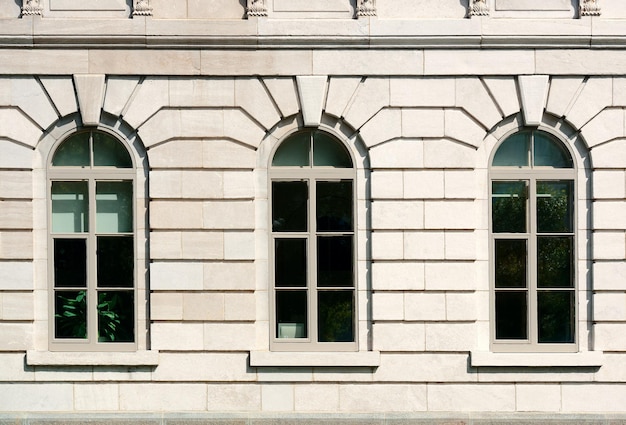
Historic architecture has had a profound influence on modern window design, with various styles and periods contributing to the evolution of windows. The Gothic style, for instance, introduced the use of pointed arches and ribbed vaults, which allowed for larger windows and more intricate designs. The Renaissance period saw a revival of classical styles, with windows becoming more symmetrical and ornate. The Art Nouveau movement, on the other hand, emphasized curved lines and organic forms, resulting in windows with a more fluid and dynamic design.
As "the eyes are the windows to the soul," windows have become an integral part of a building's design, not only providing functional purposes but also serving as a visual statement. The influence of historic architecture on modern window design can be seen in the use of traditional materials, such as wood and stone, as well as the incorporation of classic design elements, like arches and columns. However, modern window design has also been shaped by technological advancements and environmental concerns, leading to the development of more energy-efficient and sustainable window solutions.
Energy Efficiency and Aesthetic Appeal
The evolution of windows has been driven, in part, by the need for energy efficiency and aesthetic appeal. Modern windows are designed to minimize heat transfer, reduce energy consumption, and provide optimal natural light. The use of double-glazing, low-E coatings, and gas fills has become standard in many window designs, resulting in significant reductions in energy losses. At the same time, windows have become a key design element in modern architecture, with architects and designers using them to create striking visual effects, frame views, and define interior spaces.
When it comes to choosing the right windows for a building, there are several factors to consider, including the climate, architectural style, and intended use of the space. For example, in warmer climates, windows with a low solar heat gain coefficient (SHGC) can help reduce heat gain and minimize the need for air conditioning. In colder climates, windows with a high SHGC can help capture solar heat and reduce the need for heating. Some of the key considerations when selecting windows include:
- The type of glazing material used, such as glass, plastic, or fiberglass
- The frame material, including wood, aluminum, or vinyl
- The operating style, such as casement, awning, or sliding
- The level of energy efficiency, including factors like U-factor, SHGC, and air leakage
Modern Window Design and Technology
Modern window design has been revolutionized by advances in technology, materials science, and manufacturing processes. The development of new materials, like fiberglass and composite frames, has enabled the creation of stronger, more durable, and energy-efficient windows. The use of computer-aided design (CAD) software and 3D printing has also facilitated the production of complex window designs, allowing architects and designers to push the boundaries of what is possible.
As "form follows function," modern window design has become increasingly focused on performance, with windows designed to meet specific energy efficiency, acoustic, and security standards. The incorporation of smart technologies, like sensors and automated controls, has also enabled windows to become more intelligent and responsive to their environment. For instance, windows can now be designed to adjust their tint, reflectivity, or opacity in response to changing light conditions, reducing the need for artificial lighting and minimizing energy consumption.
Gaming Parallels in Design
The evolution of windows has led to a fascinating intersection with other design-focused industries, where creativity and innovation know no bounds. As we explore the intricacies of window design, we can't help but notice the parallels with other fields, such as gaming, where intricate details and captivating visuals come together to create an immersive experience. Just as a well-designed window can elevate a room's ambiance, a engaging game can transport us to new worlds, and playing Wild Chapo Dream Drop slot online (Relax Gaming) can be a great way to unwind after a long day of exploring architectural wonders. With their intricate mechanics and stunning graphics, these games offer a unique escape, much like the feeling of gazing out a beautifully crafted window, where the boundaries between reality and fantasy blur, and the beauty of design shines through.
Conclusion
The evolution of windows is a rich and fascinating story that reflects the ingenuity, creativity, and innovation of human civilization. From ancient times to modern days, windows have played a vital role in shaping our built environment, influencing energy efficiency, and defining aesthetic appeal. As we look to the future, it is clear that windows will continue to evolve, driven by advances in technology, materials science, and our growing understanding of the importance of sustainability and energy efficiency. What will the future of windows hold, and how will they continue to shape our world? Only time will tell, but one thing is certain – the evolution of windows will remain an exciting and dynamic story, full of surprises and innovations.